
Saucony Heritage & Lifestyle Guide
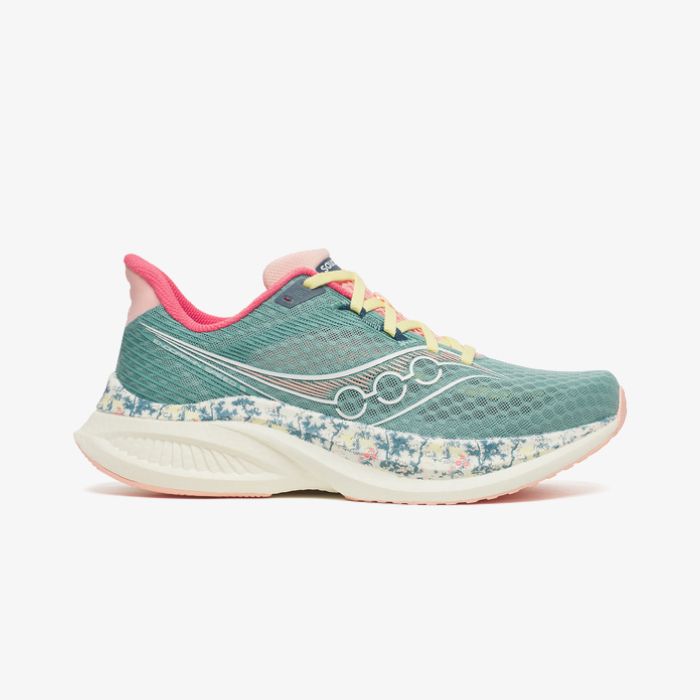 PWRRUN PB technology with 88% energy return">
Written by: Chris O'Dea
Published: February 2026
Reading time: ~6 minutes
This is a supporting guide to our main Saucony Brand Guide. It focuses specifically on Saucony's retro, heritage, and lifestyle footwear — the Originals collection that sits outside the performance running range. This guide covers the key silhouettes, their original release history, material construction, collaboration culture, and how they fit compared to modern performance models.
How Saucony Became a Lifestyle Brand
Saucony's transition from pure performance manufacturer to streetwear presence began in the late 1990s when Japanese collectors and fashion directors at boutiques like BEAMS started seeking out vintage Saucony runners. The brand's relative obscurity compared to Nike and Adidas was its advantage — it offered a technical aesthetic without mass-market ubiquity. Japanese vintage culture assigned Saucony the phonetic nickname "Succaneers," and this collector-driven interest laid the groundwork for the Saucony Originals line, which reissues classic silhouettes in premium materials.
The early 2020s accelerated this trend. The global rise of "retro-tech" aesthetics — characterised by visible technology, mesh uppers, and bulky midsoles — brought models like the ProGrid Omni 9 and Shadow 6000 back into the spotlight. Saucony's archive of 1990s and 2000s performance runners provided exactly the raw material this trend demanded: technically complex shoes with genuine engineering heritage, not retrospective styling exercises.
Key Heritage Silhouettes
Jazz Original (1981)
The Jazz is Saucony's most enduring model. Designed in collaboration with podiatrist Frank Santopietro, it was engineered to reduce weight and improve balance — priorities that were radical in early-1980s running shoe design. The Jazz introduced the Maxitrac triangular lug outsole and the "Butterfly Balance" construction that became signature Saucony features. It was declared the best-value running shoe of the decade by specialist press, and its low-profile suede-and-nylon construction has kept it in continuous production for over forty years.
Current reissues use the original last shape with updated materials. The Jazz Original Vintage adds a pre-yellowed midsole to replicate the aged look of deadstock pairs, while the Jazz NXT is a modernised version with updated cushioning for all-day wear.
DXN Trainer (1983)
Developed for New Zealand marathon champion Rod Dixon after his 1983 New York City Marathon victory, the DXN Trainer used the Jazz as its starting point but added a collapsible back tab to relieve Achilles pressure, more breathable mesh uppers, and experimental tread patterns. The DXN remains one of Saucony's most understated heritage models, favoured by collectors for its clean lines and vintage runner proportions.
Shadow Original (1985) and Shadow 6000 (1991)
The Shadow Original introduced a plush EVA midsole and TPU heel piece that represented a significant step up in cushioning technology from the Jazz. By 1991, the Shadow 6000 removed the TPU heel support entirely, replacing it with additional EVA cushioning for greater shock absorption. The 6000's intricate panelling across the upper makes it a natural canvas for complex colourblocking, which is why it has become one of Saucony's most frequently used collaboration platforms.
Grid 9000 (1994)
The Grid 9000 is among the best-known Saucony shoes to feature the GRID (Ground Reaction Inertia Device) cushioning system, which first appeared on the Grid SD in 1991 — a crisscross filament cassette in the heel that distributes impact forces across the midsole rather than concentrating them at a single point. The visible Grid technology has become a design hallmark of Saucony's 1990s archive, and the neoprene sock liner gives the 9000 a distinctively snug fit that separates it from the looser construction of the Jazz and Shadow models.
ProGrid Omni 9 (2010)
The ProGrid Omni 9 is the most commercially significant lifestyle model in Saucony's current lineup. Originally released as a stability performance runner, it has been rediscovered through the 2020s retro-tech trend and elevated by high-profile collaborations with Jae Tips and Starcow Paris. Its aggressive, technical aesthetic — metallic overlays, visible Grid system, structured midfoot cage — aligns with the current fashion preference for shoes that look engineered rather than minimalist. The Omni 9 has spawned several variants including the Omni 9 Premium (upgraded suede and leather) and the Omni 9 Armor (KPU molded cage for a more utilitarian silhouette).
Endorphin Azura (2020s)
The Endorphin Azura borrows the Endorphin name but belongs entirely to the lifestyle category. It has no internal plate, but it does use PWRRUN PB cushioning and SPEEDROLL geometry. The Azura draws from Saucony's early-2000s performance archive — the era when technical runners featured visible structural elements, layered overlays, and aggressive design language that now reads as fashion rather than function. It serves as a bridge between Saucony's current racing identity and its heritage lineup, offering the Endorphin branding in a silhouette built for all-day wear rather than mileage.
Materials in Heritage Models
Saucony Originals use different material grades depending on the tier of release. Standard inline reissues typically feature cow suede and nylon mesh — durable, consistent, and true to the original construction. Premium and collaboration editions elevate this with pigskin suede (softer, with a finer nap), premium nubuck, hairy suede (a rougher, more textured finish), and high-gauge mesh that more closely replicates the fabric weight of original-era production.
The distinction matters because material choice directly affects fit, break-in period, and appearance over time. Suede and leather overlays create a more structured, "locked-in" feel compared to modern performance shoes that use engineered mesh. Heritage models will feel narrower and more rigid out of the box, loosening slightly with wear but never achieving the adaptive stretch of a knit running shoe upper.
Collaboration Culture
Saucony's collaborative strategy focuses on boutique partnerships with shops that have genuine roots in local sneaker culture, rather than mass-market celebrity endorsements.
Bodega (Boston) is a frequent partner whose projects often explore organic, earth-toned themes using sustainable materials like canvas and hemp. END. Clothing (UK) has produced concept-driven collaborations — including the Shadow 6000 series using witty food-inspired storytelling — that generate attention in the European market. Jae Tips (Bronx, New York) has been a breakout collaborator in the 2020s, using vibrant, clashing colourways on the ProGrid Omni 9 to merge New York streetwear energy with Saucony's technical DNA. Extra Butter (New York) is known for cinema-inspired designs that use unique material stories to elevate retro silhouettes like the Shadow 5000.
This boutique-first approach means Saucony collaborations typically carry more cultural weight per unit than mass-produced special editions. Limited quantities and community-rooted design narratives create genuine demand rather than manufactured scarcity.
Sizing: Heritage vs Performance
Saucony retro models generally run true to size, but the fit character is distinctly different from the performance range. The heavy use of suede and leather overlays creates a more structured, less forgiving upper. Runners accustomed to the adaptive mesh of the Ride or Triumph will find heritage models feel narrower through the midfoot and more pronounced in the heel-to-toe drop.
Compared to competitors in the retro running category, Saucony heritage models tend to offer a more locked-in fit than the New Balance 990 series (which runs wider and roomier) and a similar volume to the ASICS Gel-Lyte III. The Jazz and Shadow models have slightly more forgiving toe boxes than the ProGrid Omni 9, which inherits its tighter midfoot from its original performance last.
Market Position
Saucony Originals occupy a specific niche: the alternative to mainstream retro. Where New Balance emphasises "Made in USA/UK" craft heritage and Nike dominates through sheer volume and celebrity association, Saucony's appeal is rooted in its relative obscurity and genuine technical archive. The brand attracts consumers who want a running-heritage aesthetic without the ubiquity of an Air Max or a 990.
This positioning makes Saucony Originals particularly strong in markets that value discovery over brand recognition — Japanese vintage culture, European boutique retail, and the subset of sneaker collectors who treat footwear knowledge as cultural capital. The ProGrid Omni 9's current momentum demonstrates what happens when this niche positioning intersects with a broader trend: the shoe's technical complexity becomes fashionable precisely because it was never designed to be.
Editorial Integrity
This supporting guide was written by Chris O'Dea and maintained by OD's Designer Clothing. It is independent editorial content created to support informed purchasing decisions.
Version: 1.0
Last reviewed: February 2026
Browse men's Saucony or women's Saucony at OD's Designer Clothing.
Shop the Range at OD's
Browse our curated selection below, or view the full collection at OD's Designer Clothing.
Frequently Asked Questions
Do Saucony retro shoes run true to size?
Saucony heritage models generally run true to size but fit more structured than performance models due to heavy suede and leather construction. They feel narrower through the midfoot compared to the Ride or Triumph.
What is the most popular Saucony lifestyle shoe?
The ProGrid Omni 9 is currently the most commercially significant lifestyle model, driven by the retro-tech trend and high-profile collaborations with Jae Tips. The Jazz Original remains the most enduring model overall.
Are Saucony Originals good for all-day wear?
Yes. Heritage models like the Jazz, Shadow, and Grid 9000 are designed for lifestyle wear with genuine cushioning from their original performance DNA. The Jazz NXT adds modernised cushioning specifically for all-day comfort.
What makes Saucony collaborations special?
Saucony focuses on boutique partnerships with shops that have genuine roots in local sneaker culture rather than celebrity endorsements. Partners like Bodega, END., and Jae Tips create limited editions with genuine cultural weight.
Does OD's stock Saucony Originals?
Yes. Browse our full Saucony range at odsdesignerclothing.com or visit us in store at 44 Barrow Street, St Helens, WA10 1RY.